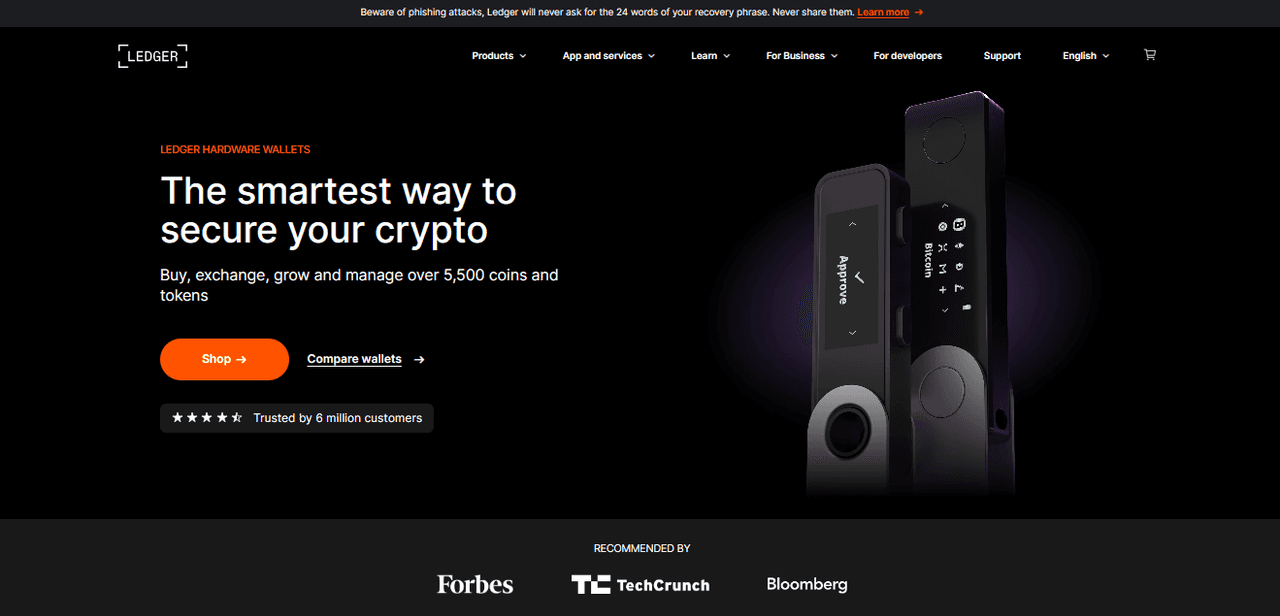
Ledger.com/Start: The Complete Guide to Securing Your Cryptocurrency
Cryptocurrency is transforming the way we think about money, offering decentralized control and financial freedom. But with great freedom comes great responsibility—particularly in safeguarding your assets. Unlike traditional banks, cryptocurrency is self-custodied, meaning the security of your holdings depends entirely on how well you protect your private keys.
This is where Ledger hardware wallets come in. Ledger devices, such as the Ledger Nano S Plus or Ledger Nano X, are designed to provide offline, secure storage for your cryptocurrencies. The official starting point for new users is ledger.com/start, which walks users through setting up, configuring, and securing their Ledger wallets safely.
This guide will cover everything about ledger.com/start, including device setup, recovery, security best practices, supported cryptocurrencies, and advanced Ledger features.
What is Ledger.com/Start?
Ledger.com/start is the official onboarding page for Ledger hardware wallets. It provides step-by-step instructions for:
Verifying the authenticity of your Ledger device
Downloading and installing Ledger Live software
Initializing a wallet safely
Generating and securing a recovery phrase
Managing cryptocurrencies with confidence
Using the official page ensures your wallet setup is safe, secure, and adheres to Ledger’s best practices.
Why Ledger.com/Start is Essential
Setting up a Ledger wallet is not just about plugging in the device—it’s about ensuring your cryptocurrency remains secure. Ledger.com/start is important for several reasons:
Device Authenticity Verification: Prevents counterfeit or tampered hardware from being used.
Safe Software Installation: Ensures you download Ledger Live from the official source, avoiding malware.
Secure Wallet Initialization: Generates private keys and recovery phrases offline.
Step-by-Step Instructions: Provides a clear workflow for both beginners and advanced users.
Reduced Risk: Minimizes exposure to phishing attacks and online scams.
Skipping this official guide or using third-party instructions increases the likelihood of losing funds or compromising security.
Step-by-Step Guide: Using Ledger.com/Start
Here’s a practical walkthrough for getting started with your Ledger device.
Step 1: Inspect Your Device
Before connecting your Ledger wallet, check the packaging and device carefully. Ledger devices come with tamper-evident seals. Any signs of tampering or irregular packaging may indicate the device has been compromised. Only proceed if the device appears authentic.
Step 2: Open the Official Website
Use a secure browser to navigate to ledger.com/start. Avoid links from emails or social media, as attackers often create fake websites designed to steal recovery phrases.
Step 3: Download Ledger Live
Ledger Live is the official companion software for your Ledger hardware wallet. It allows you to:
Manage your portfolio
Receive and send cryptocurrency
Access integrated apps for swaps and staking
Monitor your balances in real time
Ledger Live is available for desktop (Windows, macOS, Linux) and mobile (iOS, Android). Always download Ledger Live from the official website and verify the digital signature to ensure authenticity.
Step 4: Connect Your Ledger Device
Connect your Ledger device to your computer using the supplied USB cable. Ledger Live will detect the device and prompt you to continue setup.
Ledger devices feature secure chips that store private keys offline, protecting them from malware and keyloggers.
Step 5: Initialize Your Wallet
Ledger provides two options for initialization:
Set Up as New Device: Generates a new wallet and a recovery phrase.
Restore Existing Wallet: Restores a wallet using your existing recovery phrase.
For most users, setting up a new device is recommended.
Step 6: Record Your Recovery Phrase
The recovery phrase is a 24-word seed that allows you to restore your wallet in case your Ledger device is lost, stolen, or damaged.
Tips for storing your recovery phrase securely:
Write it physically on paper or a durable metal backup.
Store it in a safe, offline location.
Never take a digital photo or share it with anyone.
Ledger devices display the words on-screen to ensure your seed is never exposed online.
Step 7: Set a PIN Code
Your PIN code protects your device from unauthorized access. Ledger devices randomize the keypad during each PIN entry to prevent keylogging attacks.
Step 8: Install Apps for Cryptocurrencies
Ledger wallets require individual apps for each cryptocurrency. Using Ledger Live, you can:
Install Bitcoin, Ethereum, or other coin apps
Manage multiple assets securely
Enable staking for supported coins
Installing apps does not expose your private keys, as all signing occurs on the device itself.
Step 9: Firmware Updates
Ledger devices occasionally release firmware updates that include security improvements and new features. Always update firmware through Ledger Live to avoid malicious updates.
Step 10: Add and Manage Cryptocurrencies
Once setup is complete, you can:
Send and receive cryptocurrencies
Monitor balances in real-time
Swap coins securely
Stake supported assets
Ledger wallets support over 5,000 cryptocurrencies and tokens, including Bitcoin, Ethereum, Litecoin, XRP, and thousands of ERC-20 tokens.
Security Features Highlighted on Ledger.com/Start
Ledger.com/start emphasizes key security features:
Secure element storage: Private keys remain offline.
PIN protection: Prevents unauthorized access.
Recovery phrase backup: Enables wallet restoration if the device is lost.
Firmware verification: Ensures device integrity.
Isolated transaction signing: Keeps sensitive data away from malware.
Following these steps ensures your wallet is protected against hacking attempts, phishing, and malware.
Best Practices for Using Ledger Wallets
Always visit ledger.com/start to begin setup.
Never install Ledger Live from unofficial sources.
Keep your recovery phrase offline and in a secure location.
Set a strong PIN and enable optional passphrases for extra security.
Regularly update Ledger firmware and Ledger Live.
Avoid using public computers during setup.
Use multiple devices or backups for large holdings.
These precautions greatly reduce the risk of losing your funds.
Advanced Features After Setup
After completing ledger.com/start, advanced users can access features such as:
Multiple accounts for different portfolios
Custom transaction fees for optimized transfers
Integrated swaps and exchanges
Staking options for supported assets
Passphrase-protected hidden wallets
These features give users more control and flexibility while maintaining the highest level of security.
Supported Cryptocurrencies
Ledger devices support thousands of assets, including:
Bitcoin (BTC)
Ethereum (ETH)
Litecoin (LTC)
Bitcoin Cash (BCH)
Ripple (XRP)
Cardano (ADA)
Dogecoin (DOGE)
Stablecoins (USDT, USDC)
Thousands of ERC-20 tokens
For unsupported cryptocurrencies, Ledger integrates with third-party wallets without compromising security.
Why Ledger.com/Start Matters
Many users attempt to set up their wallets without guidance, relying on forums or unofficial tutorials. Ledger.com/start ensures:
Secure device setup
Proper recovery phrase creation
Protection against phishing and malware
Clear understanding of self-custody principles
By starting here, you establish a foundation for safe and confident cryptocurrency management.
Conclusion
Ledger.com/start is the official roadmap for securely setting up a Ledger wallet. By following its instructions, users can:
Verify the authenticity of their device
Install Ledger Live safely
Initialize a wallet securely
Create and protect a 24-word recovery phrase
Add and manage thousands of cryptocurrencies
Self-custody requires diligence, but using ledger.com/start ensures that you begin with strong security practices and confidence.