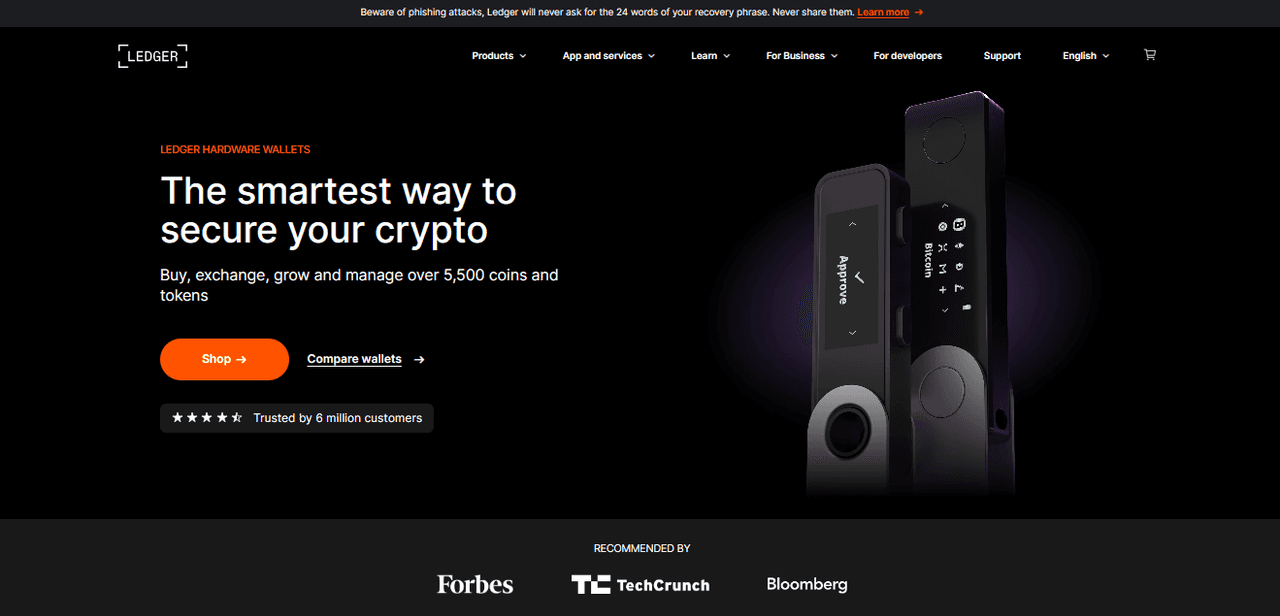
Ledger.com/Start: Your Complete Guide to Securing Cryptocurrency
Cryptocurrency is empowering, offering true ownership and financial freedom, but it also comes with responsibility. Unlike traditional banking, losing access to your crypto private keys can mean losing your funds forever. This is why hardware wallets, like Ledger devices, are crucial—they store your crypto offline, keeping it safe from hackers and malware.
The official entry point for Ledger users is ledger.com/start, which provides step-by-step guidance for setting up, securing, and managing your Ledger wallet. This page is designed for beginners and experienced users alike, ensuring that your cryptocurrency remains safe, private, and fully under your control.
This guide will cover everything you need to know about ledger.com/start, including device setup, recovery, security best practices, supported cryptocurrencies, and advanced features.
What is Ledger.com/Start?
Ledger.com/start is the official onboarding portal for Ledger hardware wallets, including the Ledger Nano S Plus and Ledger Nano X. Its purpose is to guide users through:
Verifying device authenticity
Downloading and installing Ledger Live software
Initializing a new wallet securely
Generating and protecting a recovery phrase
Managing cryptocurrencies safely
By following the official guide, users can avoid mistakes that could lead to loss or theft of their funds.
Why Ledger.com/Start Is Important
Setting up a hardware wallet isn’t just about connecting a device—it’s about safeguarding your crypto for the long term. Ledger.com/start is important because it:
Verifies device authenticity to prevent counterfeit or compromised hardware.
Ensures safe software installation from official sources, reducing malware risks.
Guides secure wallet initialization, keeping private keys offline.
Provides clear step-by-step instructions for beginners and advanced users.
Reduces exposure to phishing attacks and online scams.
Skipping this official onboarding process increases the risk of losing access to your crypto or having it stolen.
Step-by-Step Guide: Getting Started
Here’s a detailed walkthrough of setting up your Ledger wallet using the official guide.
Step 1: Inspect Your Device
Before using your Ledger wallet, check the packaging carefully. Ledger devices come with tamper-evident seals. If the packaging shows signs of tampering or looks suspicious, do not use the device. Only proceed with a verified, authentic device.
Step 2: Open the Official Website
Use a secure browser to visit ledger.com/start. Avoid links from emails or social media posts, as scammers often create fake websites designed to steal recovery phrases.
Step 3: Download Ledger Live
Ledger Live is the official companion software that allows you to:
Manage cryptocurrency accounts
Send and receive coins safely
Access Ledger apps for swaps and staking
Track your portfolio in real time
Ledger Live is available for desktop (Windows, macOS, Linux) and mobile (iOS, Android). Always download from the official website and verify the digital signature for security.
Step 4: Connect Your Ledger Device
Connect your Ledger device to your computer using the included USB cable. Ledger Live will detect the device and guide you through setup. Ledger hardware wallets use a secure element chip to store private keys offline, protecting them from malware and keyloggers.
Step 5: Initialize Your Wallet
Ledger provides two options during initialization:
Set Up as a New Device: Generates a new wallet and a recovery phrase.
Restore Existing Wallet: Allows you to recover a wallet using an existing recovery phrase.
Most users will choose to set up a new device.
Step 6: Record Your Recovery Phrase
The recovery phrase is a 24-word seed that allows you to restore your wallet if your Ledger device is lost, stolen, or damaged.
Tips for storing your recovery phrase securely:
Write it on paper or metal backup, never digitally.
Store it in a secure, offline location.
Never share it with anyone.
Ledger devices display the recovery words on-screen to ensure they are never exposed online.
Step 7: Set a PIN Code
A PIN code is essential to protect your wallet from unauthorized access. Ledger devices randomize the PIN keypad on each entry to prevent keylogging attacks.
Step 8: Install Apps for Cryptocurrencies
Ledger wallets require apps for each cryptocurrency you want to manage. Using Ledger Live, you can:
Install Bitcoin, Ethereum, and other coin apps
Manage multiple assets securely
Stake supported cryptocurrencies
Private keys remain on the device, ensuring that your assets are never exposed online.
Step 9: Firmware Updates
Ledger devices periodically release firmware updates that include security improvements and new features. Always update firmware through Ledger Live to avoid installing malicious software.
Step 10: Add and Manage Cryptocurrencies
Once setup is complete, you can:
Receive cryptocurrencies through verified addresses
Send transactions securely
Track your portfolio
Swap coins using integrated Ledger services
Ledger supports over 5,000 cryptocurrencies and tokens, including Bitcoin, Ethereum, Litecoin, XRP, and thousands of ERC-20 tokens.
Security Features Emphasized on Ledger.com/Start
Ledger.com/start highlights several essential security measures:
Secure element storage: Private keys never leave the device.
PIN protection: Guards against unauthorized access.
Recovery phrase: Provides a secure backup in case of loss.
Firmware verification: Confirms the authenticity of updates.
Offline transaction signing: Keeps sensitive data away from malware.
Following these steps ensures your cryptocurrency is protected against hacking, phishing, and malware.
Best Practices for Ledger Users
Always access ledger.com/start for setup.
Never install Ledger Live from unofficial sources.
Keep your recovery phrase offline and secure.
Use a strong PIN and consider adding a passphrase.
Regularly update Ledger firmware and Ledger Live.
Avoid using public computers during setup.
For large holdings, consider multiple secure backups.
Advanced Features After Setup
Once your wallet is initialized, advanced users can explore:
Multiple accounts for different portfolios
Custom transaction fees for optimized transfers
Integrated swaps and exchanges
Staking for supported cryptocurrencies
Passphrase-protected hidden wallets for extra privacy
These features provide greater control and flexibility while maintaining Ledger’s highest security standards.
Supported Cryptocurrencies
Ledger devices support thousands of digital assets, including:
Bitcoin (BTC)
Ethereum (ETH)
Litecoin (LTC)
Bitcoin Cash (BCH)
Ripple (XRP)
Cardano (ADA)
Dogecoin (DOGE)
Stablecoins like USDT and USDC
Thousands of ERC-20 tokens
Unsupported cryptocurrencies can often be managed via third-party wallets while still using the Ledger device for security.
Why Ledger.com/Start Matters
Many cryptocurrency users try to set up wallets without official guidance, relying on forums or videos. Ledger.com/start ensures:
Safe and correct device setup
Secure creation and storage of recovery phrases
Protection against phishing and malware
Understanding of self-custody principles
Starting here is the safest way to begin managing your digital assets.
Conclusion
Ledger.com/start is not just a setup page—it is a comprehensive guide for securing your cryptocurrency. By following its instructions, you can:
Verify your device’s authenticity
Install Ledger Live safely
Initialize a wallet securely
Create and protect a 24-word recovery phrase
Add and manage thousands of cryptocurrencies